Market reports
Market Report October 2026
Current market situation for soybean oil, rapeseed oil, sunflower oil, olive oil, castor oil, almond oil, walnut oil, pistachio oil and hazelnut oil.
General oils and fats complex
Soybean oil
In recent days, soybean oil prices on the markets have shown a slight downward consolidation trend. This was driven by seasonal harvest pressure in the U.S., where the ongoing soybean harvest is increasing the supply of soybeans on global markets, thereby exerting some downward pressure on supply prices and slowing the price increase.
Rising palm oil inventories in Malaysia, driven by higher production and lower exports, are also supporting this trend.
Rapeseed oil
Now that the EU rapeseed harvest estimate has been further revised downward, price levels remain firm. Strong demand from the European biodiesel sector is providing additional support for prices, so no significant price declines are expected in the foreseeable future. Even imports from Australia and Canada are unlikely to have much impact on this trend.
Sunflower oil
Crops in Ukraine and Russia are turning out better than originally estimated, which could also put pressure on prices there. However, the infrastructure of the Black Sea loading ports has been severely damaged, and transportation routes remain unsafe. Harvests in the EU will be weaker this year. Due to persistently low water levels in various rivers important for inland waterway transport, intra-European transportation costs are also rising.
All these developments mean that sunflower oil continues to command a premium over soybean oil and that price levels remain firm.
Olive oil
The new harvest has already begun in Italy, and market participants are expecting a good harvest. In Spain, too, the harvest will begin in the next two weeks, and expectations there are also positive. Price levels are currently trending slightly downward, but the cooperatives are still holding back on setting selling prices for newly harvested oils. It is expected that more offers will come in over the next four weeks, with the first, very green oils being offered at a significant premium.
Castor oil
The area question is settled, and it looks better than the market assumed in August. Official Gujarat figures as of 21 September put castor at 609,777 hectares, 8 % below last year and 11 % below the three-year normal, against the 15 to 20 % shortfall reported from the trade a month ago. Sowing was largely completed in July and August.
For the time being supply stays tight. India is in the off-season, arrivals are limited and demand is steady, which keeps seed firm. Ocean freight to Europe and the USA remains well above the June level.
Opinions differ on the turning point. Part of the trade expects the firm trend to run into March, while others point to a harvest starting in December and running through March and expect fresh arrivals to take the pressure out of the market from the turn of the year, with a correction in January or February — provided the acreage translates into yield and the weather holds. That proviso deserves attention: the seasonal rainfall deficit in the castor regions has narrowed to single digits, but the week to 9 September was 43 % below normal in Central India, which includes Gujarat, and that falls in a sensitive phase for a late-sown crop. We would cover requirements into the first quarter and reassess once arrivals are under way.
Key products from the Gustav Heess production in Bischofswiesen
Organic Rapeseed oil
The rapeseed harvest is complete and has yielded decent to good results. Contract fulfillment is currently proceeding slowly.
Organic Sunflower oil
The sunflower harvest in Southern and Eastern Europe is nearly complete, while threshing is beginning in Germany. Yields are below average in many areas due to the summer drought. Demand for HO-grade sunflowers, in particular, is very high.
Key products from the Gustav Heess production in the USA
Almond oil
The nuts are smaller in size, with very good quality. Crop estimates are unchanged at 2.7 billion pounds. European demand is focused on the larger sizes, which will carry a substantial premium this year; this is pulling up the smaller sizes as well.
Walnut oil
Acreage declined markedly again, yet the crop is strong and sunburn damage is minimal. With practically no inventory left from the last crop, the new crop is badly needed. Price levels are trending upward.
Pistachio oil
Supply for 2027 is expected to be very tight. Kernel prices have been raised again, and the crop is now estimated at 700 million pounds at most, with a high share of blanks. Californian trade sources also report a poor Iranian crop. Together with the tensions in the region, we do not expect any easing in the near term.
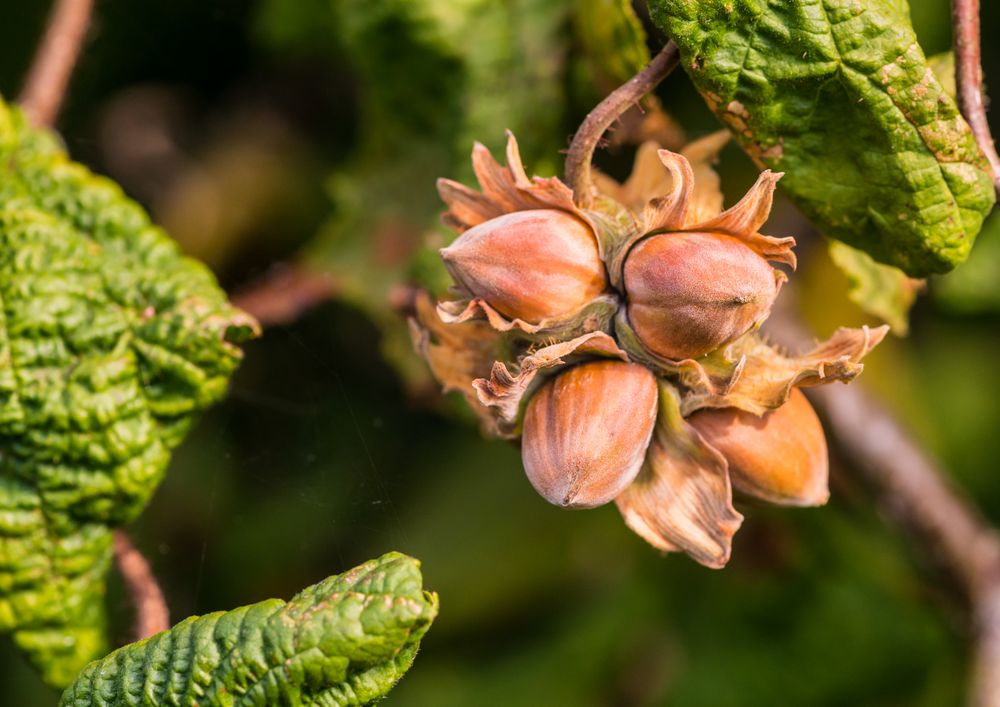
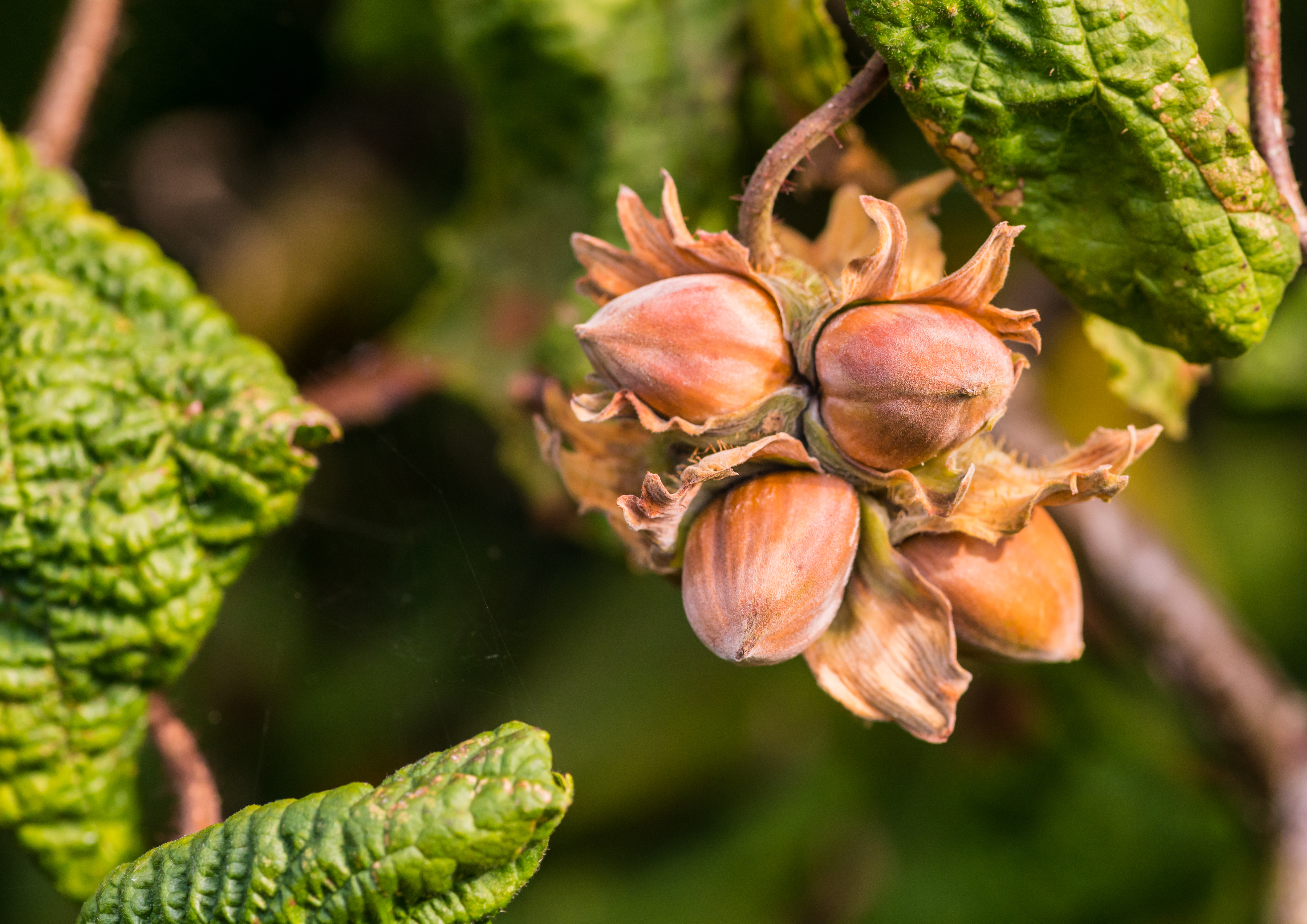
Hazelnut oil
The Oregon Subjective Yield Survey projects 143,700 tons in-shell, 18% above last year and the largest crop in US hazelnut history, driven by favorable weather and continued new plantings. Prices to the growers will be set officially at the end of September.
Turkey will fall short of the crop suggested a few weeks ago: estimates of up to 900,000 metric tons have given way to around 700,000, with poor quality and a high incidence of blank nuts, while continued rainfall in the Eastern Black Sea and Akçakoca regions has delayed the new crop and will add sorting costs.
With a lighter Italian crop, weather-challenged Georgian and Azerbaijani crops and strong crops from the USA and Chile, global supply is adequate rather than abundant. There is no carry-over from the old crop, and availability is still tight for the time being.
The crop in the US and in Turkey is not good this year, and demand is strong at the same time. Availability is still poor and prices have moved up considerably. We do not expect relief in the short term.
view market report as PDF