Market reports
Market Report July 2026
Current market situation for soybean oil, rapeseed oil, sunflower oil, olive oil, castor oil, almond oil, walnut oil and pistachio oil.
General oils and fats complex
General information
The escalation of hostilities in the Iran War has caused oil prices to rise sharply once again. Fertilizer prices have also firmed up as a result.
The drone war in the Black Sea between Russia and Ukraine has severely disrupted shipments of sunflower oil and sunflower seeds.
All of these factors are influencing current price trends for the most important vegetable oils.
Soybean oil
Demand for soybean oil has increased significantly in recent weeks due to high prices for sunflower oil and palm oil. The U.S. biodiesel industry remains a key factor. If the USDA’s forecasts prove accurate, processing and imports will need to be significantly expanded, which will further boost demand. In Brazil, too, demand from the biodiesel industry remains high, with the blending rate currently still at 15%. However, a new decree allows the rate to be increased on a voluntary basis. These developments will further limit export volumes.
Overall, global demand remains high. Developments in the upcoming harvest are becoming an increasingly important factor in price-setting on the soybean oil markets.
Rapeseed oil
Rapeseed oil prices have also stabilized, following the trend of other vegetable oils. Due to maintenance work at various rapeseed processing plants, capacity is tight for July and August, and premium prices must be paid. The biodiesel industry also plays a major role in the rapeseed oil market, as it continues to demand large quantities. Overall, the new harvest in Europe is viewed positively. Canada is also reporting an increase in rapeseed oil production. This should ensure that the market is well supplied. However, the current situation on global markets is dampening hopes for significant price declines this year.
Sunflower oil
The availability of older-crop goods is becoming increasingly limited, so significant premiums are being charged for spot quantities (when available). Starting in October, with the arrival of the new harvest, the situation will ease somewhat. However, in recent days, prices for new-crop quantities have also risen, as intensifying drone attacks in the Black Sea are disrupting or halting shipments. Low water levels are also driving up logistics costs for inland waterway transport.
Overall, the developing crops present a mixed picture. French farmers are reporting potential yield losses due to heat and drought, while expectations in Southeast Europe are somewhat better. However, some rainfall is still needed before harvest to ensure good yields.
Olive oil
As of June 30, 2026, stocks in Spain totaled 683,345 tons. This amount is sufficient to comfortably bridge the period until the new harvest. Expectations for the upcoming harvest are very positive following the abundant rainfall in winter and spring and the excellent flowering in May. So far, heat and drought have not caused any major damage. It is to be hoped that this will continue. If so, olive oil production in Spain could reach well over 1.5 million tons. In the other countries of the Mediterranean region, expectations for the upcoming harvest are also positive.
Castor oil
The 2026 castor crop has now been completed. For high-quality pharmaceutical castor oil, the focus is therefore on ensuring that the available seeds are properly stored and carefully processed. Attention is already shifting to the 2027 crop.
The southwest monsoon has been uneven and delayed this year, with only limited rainfall in the main castor-growing regions. As a result, sowing has not yet started in non-irrigated castor fields. If sufficient rainfall does not arrive by around 15 August, the planted area and overall volume of the 2027 castor crop could decline significantly. The delayed monsoon will also certainly postpone the availability of the first oil from the new crop in Q1 2027. Such a development could result in substantial price increases for castor seeds and castor oil in the coming months.
Seed prices in India are already showing a gradual upward trend due to the end of the season and uncertainty surrounding the 2027 crop. Furthermore, exports from India between January and June 2026 were 12% higher than during the same period in 2025.
In addition, sea freight from India has become increasingly challenging. Vessel capacity is very limited, while freight rates remain high. This is adding further pressure to supply availability and landed costs.
Key products from the Gustav Heess production in the USA
Almond oil
The almond crop is developing significantly ahead of schedule this year. Even later varieties such as Butte and Padre are expected to be ready for harvest in approximately four weeks, around one month earlier than usual. Hull split is already visible in some orchards, which is normal for Nonpareil at this time of year but unusually early for pollinator varieties. Harvest activities have already started in some areas on the west side of the Central Valley, which is highly unusual for this time of year. As the harvest progresses, we will get a clearer picture of the crop size which could be lower than previously expected.
Walnut oil
The shipment report published on 7 July indicates that the industry may enter the new crop with a lower carryover.
This is particularly important for walnuts due to their comparatively limited shelf life.
Pistachio oil
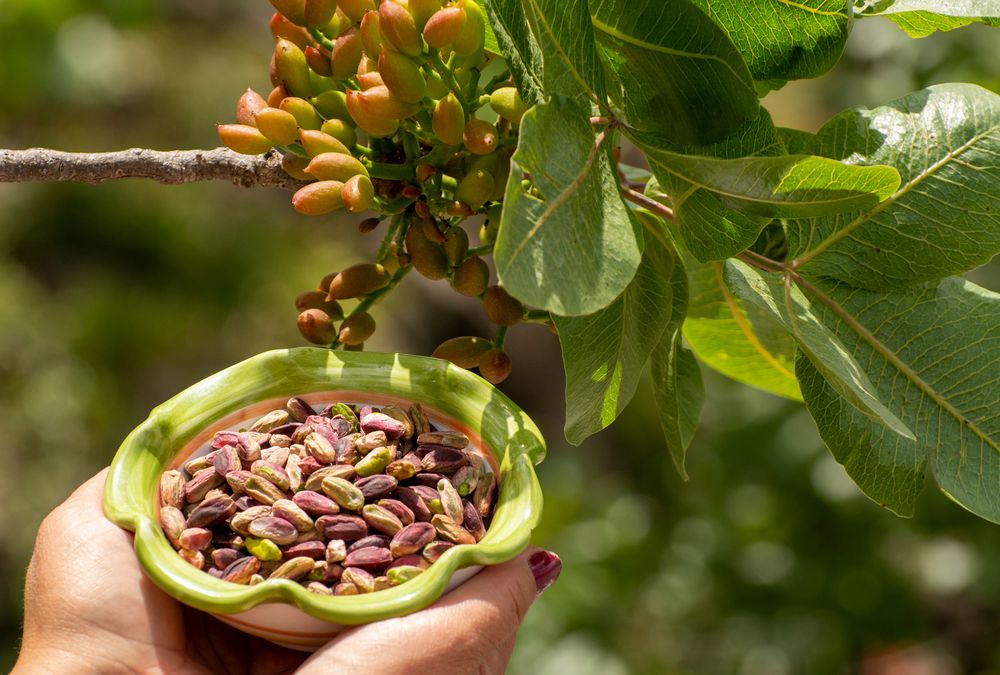
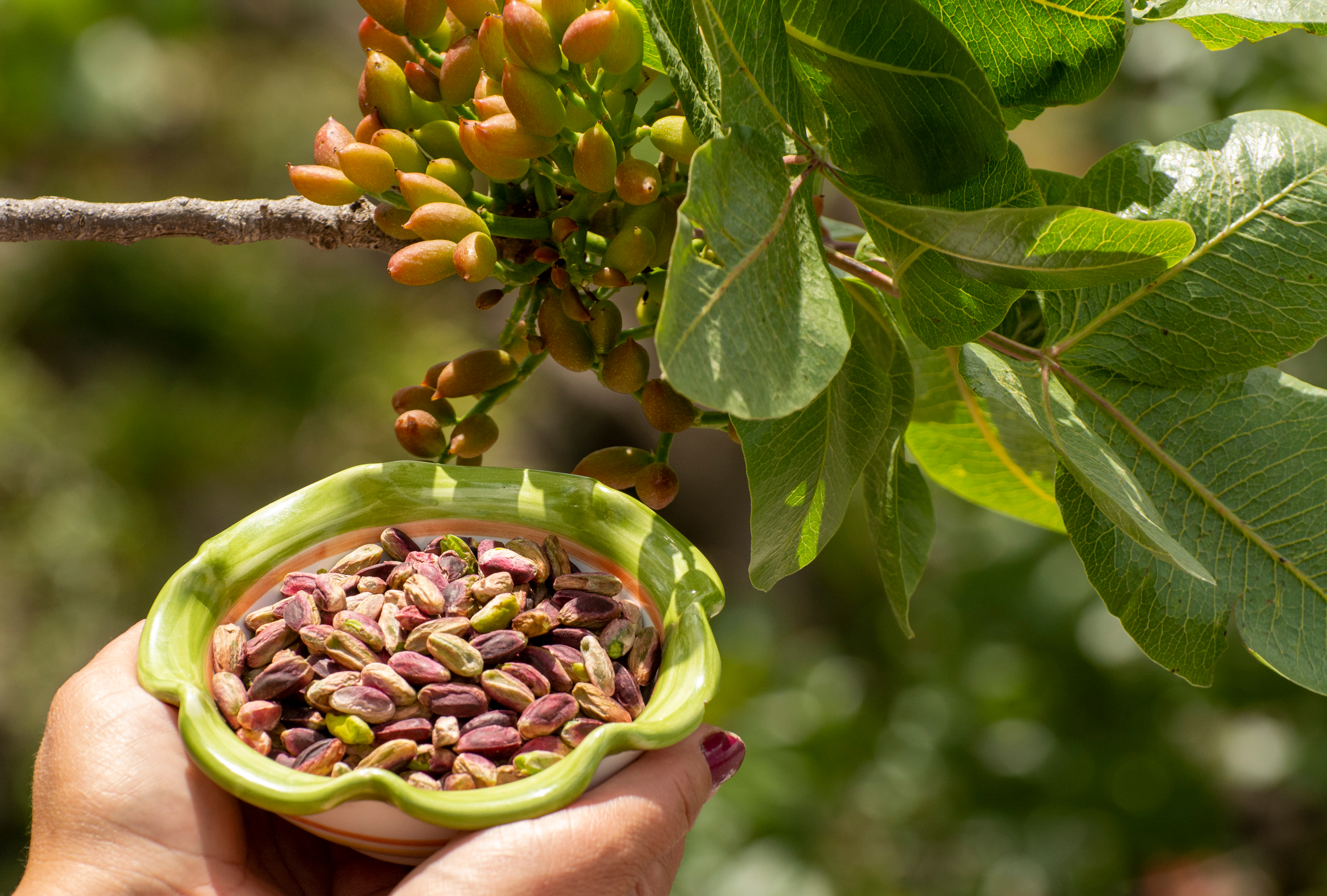
The pistachio market remains extremely tight. Kernel availability is very limited, and even significantly higher offers are currently not generating meaningful spot availability. Existing contracts for good-quality kernels are reported at approximately USD 10.50/lb.
Carryover into the next crop is expected to be minimal.
The new crop currently looks very promising and could exceed last year’s production. However, global demand remains exceptionally strong and continues to expand across the food and beverage sectors. New product launches from major international brands are adding further pressure to an already tight market. Even with a larger crop, a substantial easing of prices is therefore not currently expected.
view market report as PDF