Market reports
Market Report August 2026
Current market situation for soybean oil, rapeseed oil, sunflower oil, coconut oil, palm oil, castor oil, almond oil, walnut oil, pistachio oil and hazelnut oil.
General oils and fats complex
General information
Two developments are currently shaping procurement. Biofuel policy continues to tie up large quantities of vegetable oil, bolstered by a 13% rise in gas oil prices during the week ending August 13. The war in the Black Sea region is now directly affecting export routes: alternative routes are virtually unavailable due to a combination of low river levels, limited truck capacity, and disrupted rail connections. Even a ceasefire would do little to change this situation as long as the port infrastructure remains damaged. Sunflower oil is being hit the hardest; because buyers are switching to soybean and palm oil as substitutes, the entire vegetable oil market has become tighter.
Soybean oil
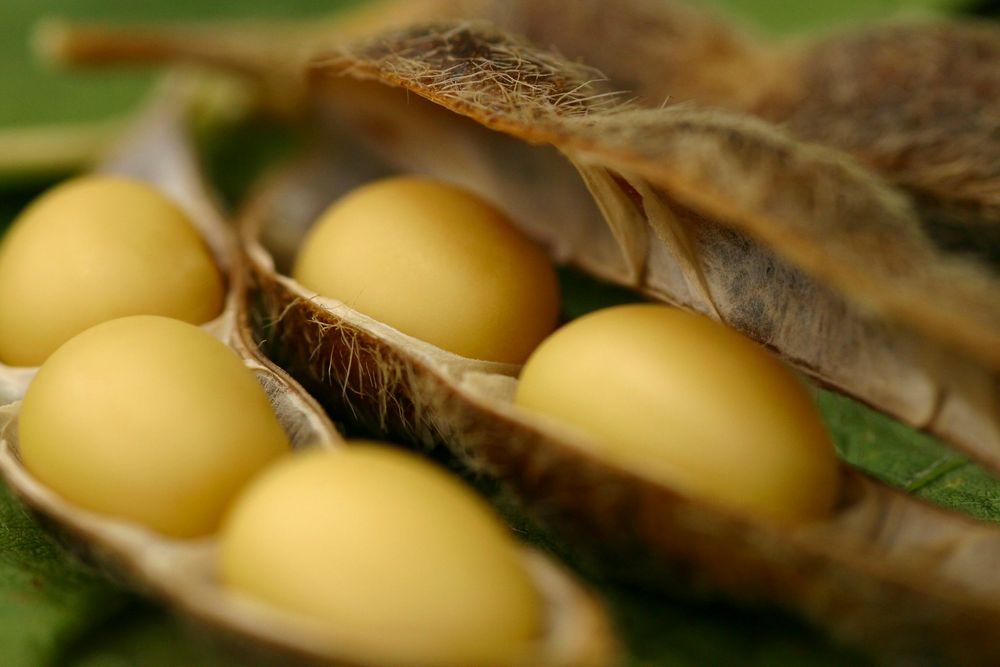
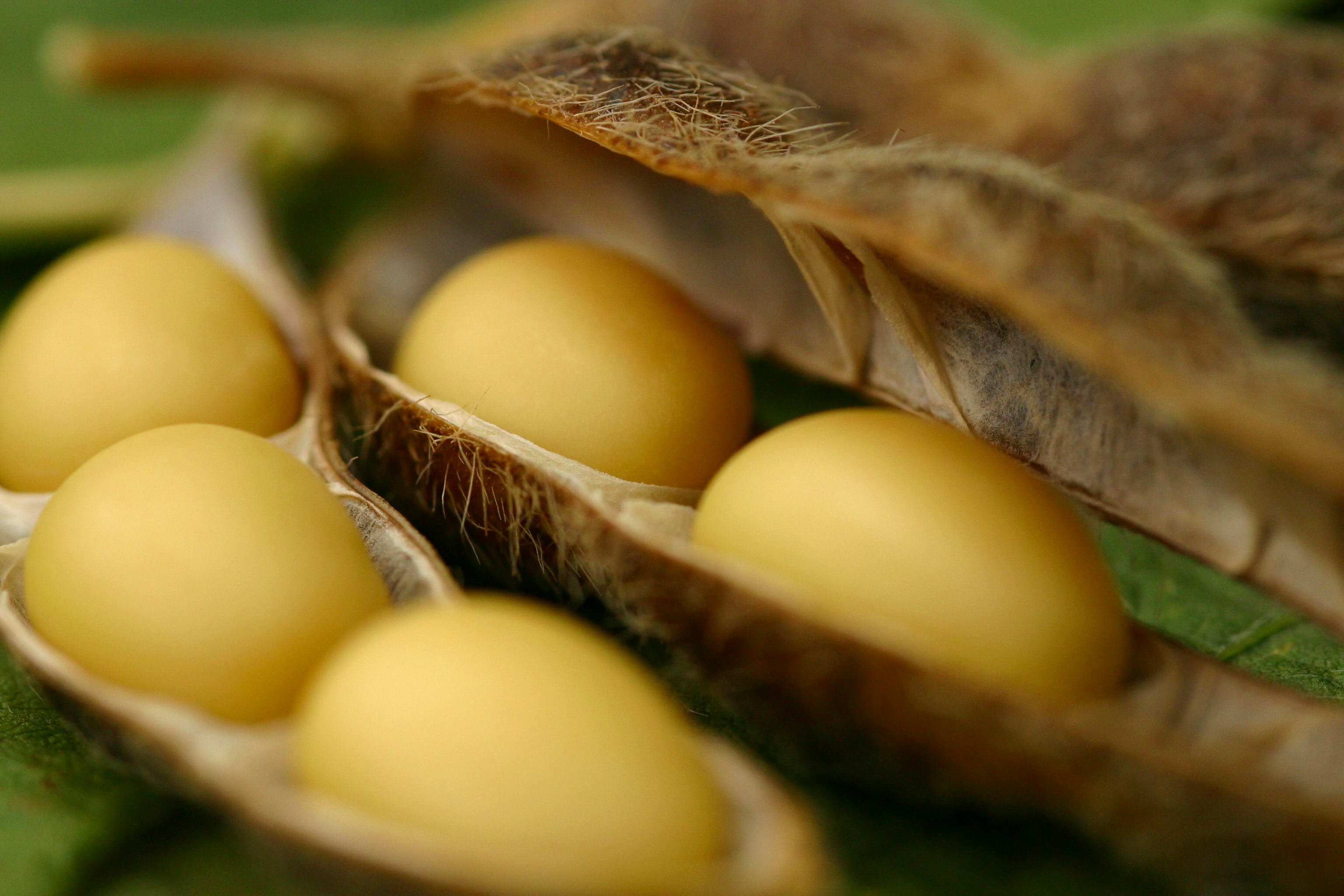
The assessment from the beginning of the month is now outdated. The U.S. soybean market has strengthened significantly; prices rose by 4 to 5% on the U.S. Gulf and at the CBOT, while soybean oil prices at the CBOT rose by 4% in the week ending August 20. The trigger was less the harvest itself than a reassessment of it: The higher USDA estimates from August 12 failed to convince the market, and the Pro-Farmer harvest tour yielded weaker results than expected. This does not constitute a crop failure, but yields remain below those of the very strong previous year. Since U.S. oil mills are simultaneously processing at record levels and China is buying regularly, even moderate losses are enough to push inventory coverage down to critical levels. For the time being, there is no relief coming from South America.
Rapeseed oil
In the rapeseed market, growing demand is meeting shrinking supply. Biofuel mandates in the U.S. and the EU-27 are increasingly tying up rapeseed oil in biodiesel and HVO, and U.S. demand is providing additional support for the Canadian canola market. At the same time, the European harvest is turning out to be weaker: The German Raiffeisen Association now estimates only 3.7 million metric tons for Germany, down from 4.0 million metric tons the previous year, while other market observers have not yet confirmed a decline of this magnitude. Within the EU, the picture remains mixed, with higher yields in Bulgaria and a significant drop in the Czech Republic. Prices rose by 2.7% on the Matif and by 4.5% on the ICE during the week ending August 13. Tight export supplies are expected worldwide in the coming months.
Sunflower oil
Sunflower oil is the most vulnerable commodity. Seeds, oil, and meal are equally affected, and premiums over competing oils now extend through the October/December 2026 shipment periods. Trading activity remains low, however. Since it is nearly impossible to estimate future export volumes from Russia and Ukraine, only a few deals are being concluded—and those are at a price level for new-crop goods that is significantly higher than expectations at the start of the season. To meet short-term demand, the market is currently relying primarily on soybean and palm oil.
Coconut oil
Coconut oil has followed the strong upward trend in the lauric sector, rising 5% during the week ending August 20. The drivers are the same as those for palm kernel oil: concerns about the impact of the approaching El Niño on production and the continued strength of the energy markets.
Palm oil
Palm oil is available only in limited quantities as an alternative product and has itself become significantly more expensive recently: In the week ending August 20, palm oil rose by 3 to 4 percent and palm kernel oil by just under 7 percent. Expectations for upcoming harvests are a key factor here. The notable drought in parts of Southeast Asia is seen as an early sign of the approaching El Niño; this will not affect harvest volumes until sometime in 2027. Sellers are anticipating this and demanding increasing premiums for more distant delivery dates—starting in October, palm oil is trading above soybean oil, and for January/March 2027, the spread is significant. The situation remains tense in any case: In July, Malaysia produced less than the previous year for the fifth consecutive month, and in Indonesia, the domestic market is absorbing a growing share for biodiesel.
Castor oil
The trend has reversed. After prices moved largely sideways over the summer, they are currently rising significantly as the outlook for the new harvest has noticeably worsened. At the same time, India is in the off-season, with only 15,000 to 20,000 bags being delivered per day, and ocean freight rates to Europe and the U.S. are now three to four times higher than they were in June. The cause is the weak monsoon. June was one of the driest in over a decade, with a deficit of 33 to 43 %; by mid-July, the deficit had narrowed to about 24 percent, meaning the rainfall came too late. Consequently, there is a significant delay in planting. As of August 21, the Indian Ministry of Agriculture reports 588,000 hectares planted with castor beans, compared to 742,000 hectares at the same time last year—a decrease of about 21%. However, planting is still underway: Last year, a total area of 1,089,000 hectares was reached by the end of the season. The extent of the shortfall in the end will therefore depend largely on rainfall in the coming weeks. As of mid-July, reservoirs were only about 34% full. The market expects a double-digit percentage increase for the period from November 2026 to January 2027, with a correspondingly larger increase if rainfall remains insufficient. Since the harvest will also be delayed due to the late planting, new crop goods are not expected before mid-March 2027.
Key products from the Gustav Heess production in Bischofswiesen
Organic Sunflower oil
The harvest will begin shortly; the exact timing depends on the extent of this year’s drought. Yield prospects vary widely. Significant losses are expected in Slovakia, Hungary, and western Romania. Old-crop seed is no longer available, and there is no carryover into the new season. The market is therefore entirely dependent on the upcoming harvest, and regional shortfalls will have an immediate impact. Prices for newly harvested seed are high, and it remains uncertain whether the harvest will meet demand until the new 2027 harvest begins.
Key products from the Gustav Heess production in the USA
Almond oil
Growers continue to report small nut size, and this is confirmed on the nonpareils. Crop estimates have come down considerably over the past weeks. There is no carry-over from last year and demand remains strong. Prices have moved up sharply as a result and we recommend securing the demand.
Walnut oil
The 2025 crop was marketed exceptionally well; sales roughly doubled, much of it on in-shell business. Crop size for 2026 should be similar to last year and price levels for Golden Chandlers are expected to hold. Harvest has not started yet. Temperatures are currently running at 40°C with full sun, which is the most sensitive time for walnuts.
Pistachio oil
The crop is extremely poor. Current expectations are around 800 million pounds against a normal crop of 1.2 billion pounds, and this despite a considerable amount of new acreage coming into production. Prices have already risen substantially and further increases are likely.
Hazelnut oil
The crop in the US and in Turkey is not good this year, and demand is strong at the same time. Availability is still poor and prices have moved up considerably. We do not expect relief in the short term.
view market report as PDF