Market reports
Market Report April 2026
Current market situation for soybean and palm oil, sunflower oil, olive oil, castor oil, almond oil, walnut oil and pistachio oil.
General oils and fats complex
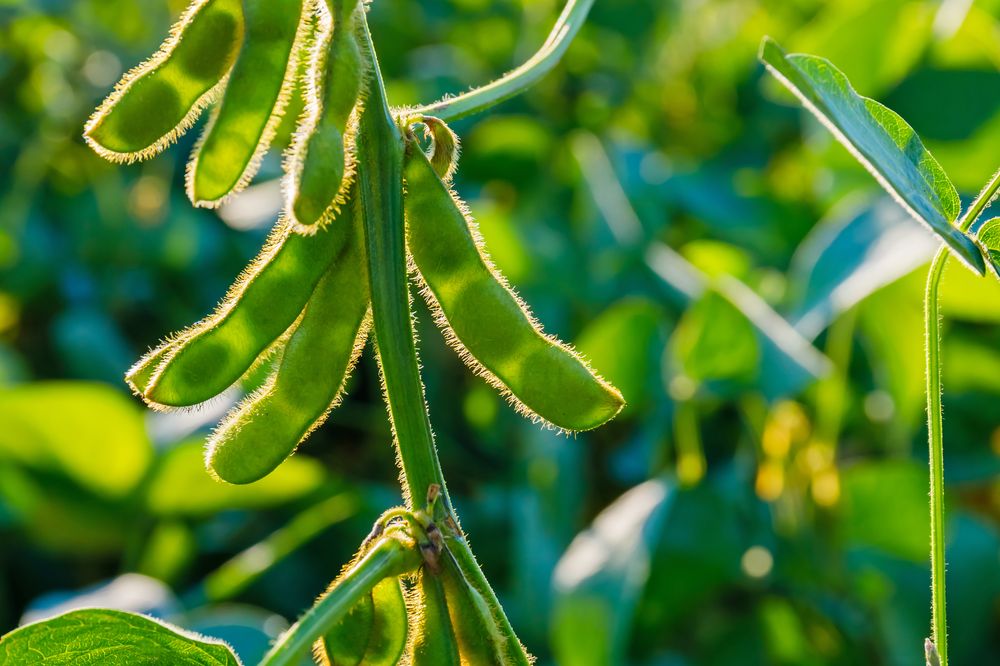
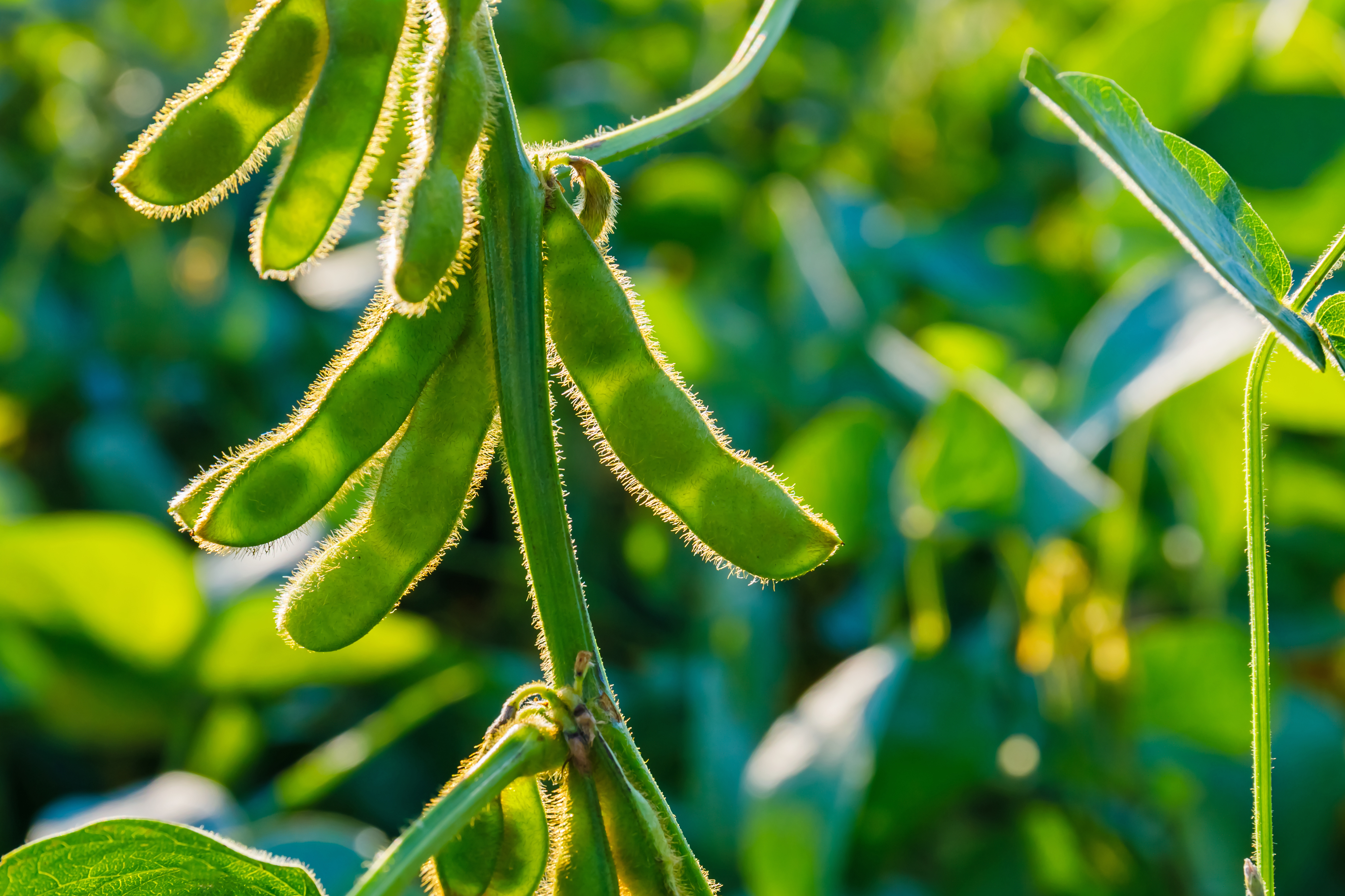
Soybean and Palm oil
Vegetable oil prices have risen to their highest levels in over three years, mainly driven by strong energy prices. Futures prices for soya oil on the CBOT and palm oil on Bursa Malaysia have risen to, or are approaching, contract highs this week.
The rally is being driven by expectations of a significant increase in demand for both oils from the energy sector. Strong ongoing exports of soya meal from USA indicate that soybean crushings remained elevated in March.
Sunflower oil
Planting trends for the upcoming Northern Hemisphere spring indicate that sunflowers are set to become a preferred crop for many farmers. Recent shifts in planting intentions suggest a move away from fertilizer-intensive crops such as corn, with acreage increasingly allocated to sunflowerseed and soybeans.
We now project global sunflowerseed planted area to rise further, reaching a new high of 34.1 million hectares in the 2026/27 season, building on last year’s already elevated 32.8 million hectares. This marks a notable expansion from 30.4 million hectares recorded just two years ago, underscoring the strong upward momentum in sunflower cultivation.
Olive oil
Olive oil production in Spain for the Oct–Feb 2025/26 period is estimated at 1.28 million tons, down from 1.51 million tons in the same period last year.
Lower output is expected to constrain exports in the coming months, potentially lending support to prices in the weeks ahead.
Castor oil
In March, castor oil prices in India experienced an upward trend, primarily driven by limited availability of fresh seed arrivals and ongoing supply contract commitments. However, the depreciation of the Indian Rupee against the US Dollar helped stabilize export prices, offsetting some of the domestic increase.
As we move into April, the situation is evolving and freshly harvested seeds are now arriving in big volume in April and May. This substantial increase in supply is likely to exert downward pressure on prices. At the same time, global demand remains moderate due to ongoing geopolitical uncertainty and increased production costs, which is also contributing to the current softer tone in the market.
Looking ahead, weather conditions pose an important risk factor. India is already experiencing elevated temperatures, with forecasts indicating prolonged heat exceeding 40°C throughout April and May. This may negatively impact crop yields, particularly the final one or two harvesting cycles as castor is harvested in multiple pickings.
As a result, overall seed production could fall short of earlier expectations and increase prices. While the industry had estimated total production at around 1.76 million tons, we anticipate this figure could be at least 10% lower. In the longer term, price direction will largely depend on geopolitical developments which have a major impact on demand and shipment cost.
Finally, while increased crop arrivals are currently easing castor oil prices slightly, this benefit is being offset by rising logistics costs. Sea freight rates have increased again due to disruptions such as the closure of the Suez Canal, along with higher fuel prices.
Key products from the Gustav Heess production in the USA
Almond oil
The California Almond bloom began early this year with good weather to start. A few rainstorms hit California towards the end of the pollination season but overall, the growing conditions for the 2026 crop have been favorable so far.
Adequate chilling hours, strong bee flight activity, and healthy bud set have supported a solid outlook across California orchards.
Overall orchard health in key producing regions appears strong.
Current industry estimates point to a crop size of approximately 2.6 billion pounds; however, early field observations suggest potential for a larger harvest.
As always, production variability in the southern San Joaquin Valley will be a key factor to monitor as the season progresses.
Walnut oil
The walnut sector continues to face challenges.
While there has been some improvement in demand, much of the incremental movement is tied to institutional channels, including federal nutrition programs and school lunch supply.
Pistachio oil
The pistachio market remains exceptionally tight, with demand continuing to outpace available supply. Despite expectations for a potentially large upcoming crop, current inventories are extremely limited.
Export demand—particularly from India—has been a major driver of market strength. Supply constraints are further exacerbated by the long production cycle inherent to pistachio orchards, which require approximately seven years to reach initial bearing. While new plantings have increased in recent years, these orchards are not yet contributing meaningful volume. Overall, the market remains supply-driven, with strong forward demand and limited near-term relief expected.
view market report as PDF